
Every December, homes get louder. Music, lights, crowds, extra errands, routines that suddenly look nothing like routine. For neurodivergent brains, whether that's an ADHD or ADD diagnosis or strong ADHD tendencies without one, that's not festive background noise. It's a running cost on attention and stamina, and it's not surprising that the routines that hold a week together tend to fall apart this month.
New to this series? Start with Why ADHD Makes Decluttering So Hard (and What Actually Works) and read Doom Piles.
Why the holidays hit harder
Three things arrive at once:
- Sensory load. Lights, music, crowds, smells: everything is turned up. What reads as "festive" to one nervous system can read as static to another.
- Routine disruption. School breaks, travel, late nights: the scaffolding that quietly organizes the week disappears at exactly the moment the to-do list doubles.
- Decision overload. Gifts, meals, RSVPs, traditions: dozens of small decisions daily, stacked on top of the ordinary ones.
The science is real on this one. A well-known 2011 study in the Proceedings of the National Academy of Sciences tracked over a thousand parole decisions and found that the quality of choices measurably deteriorated as the day went on. By late afternoon, favorable rulings had fallen to nearly zero, and only a break restored them. Decision fatigue isn't a buzzword; it's a measurable decline, and the holiday season multiplies decisions at exactly the moment routines are gone. (Read the study.) Psychology Today has a readable explainer on what decision fatigue is and how to counter it, if you want a quicker overview. As Psychology Today puts it, “Decision fatigue can occur when you have to make too many decisions over a short period of time.”
What actually helps
Here's the thing I want every reader to hear: these strategies are good advice for everyone, diagnosed or not. A brain doesn't need a label to benefit from a little less noise this season!
-
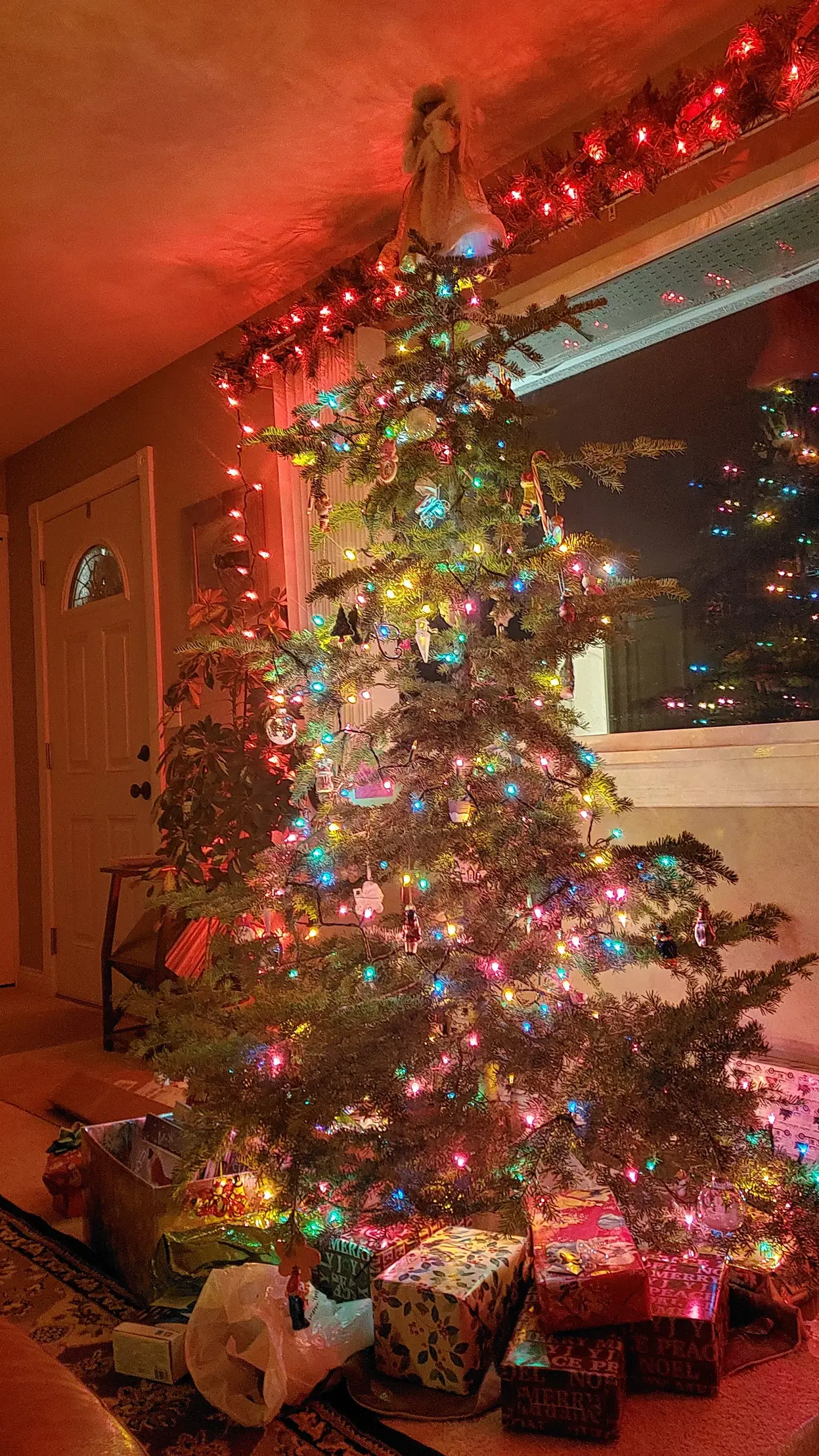
Protect one anchor routine. Not five. One. Mine is an evening reset in front of the Christmas tree: no other lights, low Christmas music or just the quiet, kids in bed, a glass of wine or cocoa depending on my mood, and a cozy blanket. Ten minutes of calm in a loud month, and it's non-negotiable.
-
Cut the decision count. Decide once, repeat all season: same menu for the family dinner, same gift theme for everyone on the list, same wrapping setup. Novelty is a cost this month, not a bonus.
-
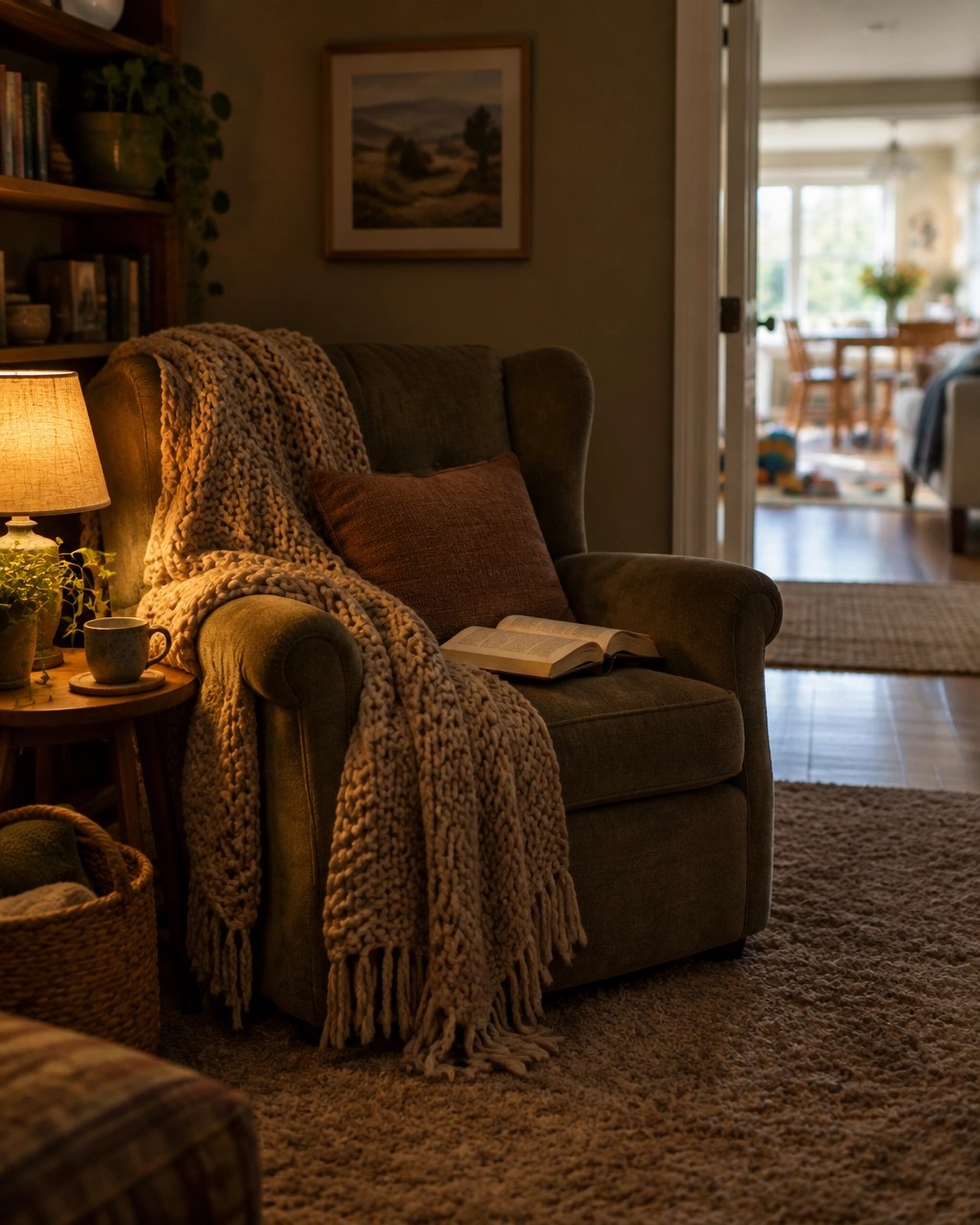
Give the senses a quiet room. A low-light, low-noise retreat space during gatherings, for you or the kids. Stepping out for ten minutes isn't quitting; it's maintenance.
-
Externalize the season. I've run my whole life off one visible calendar, holidays or not, because a busy December needs it even more than a busy Tuesday. If it isn't written down, it doesn't exist this month.

-
Let the deadline be real. Shipping cutoffs and event dates are actual constraints. Work backward from them instead of holding a vague "I should get on that."
A note from the field
I'm not a therapist or a medical professional, and this isn't clinical advice. What I share comes from years of working alongside neurodivergent clients and ADHD households in their actual homes, through plenty of holiday seasons.
The goal isn't a magazine holiday. It's a season your household can actually survive, and enjoy. Let's build it together.
Leave a Reply